


Struggling to Express Yourself? 10 Creative Journaling Tricks That Turn Into Songs
Ever feel like you have so much to say but the words just won't come? You're not alone. Whether you're dealing with big emotions, everyday frustrations, or beautiful moments you can't quite capture, that feeling of being "stuck" is incredibly common: especially when you want to turn those feelings into songs.
Here's the beautiful truth: songwriting doesn't have to start with perfect lyrics or melodies. Some of the most powerful songs begin as messy journal entries, random thoughts scribbled on napkins, or stream-of-consciousness ramblings that nobody else was ever meant to see.
If you've been struggling to express yourself or wondering how to transform your thoughts into music, these 10 creative journaling techniques will help you unlock your voice and discover song ideas hiding in your everyday life.
1. The Daily Download: Write Your Day Like a Story
Start by treating your day like a mini-movie you're reviewing. Write down what happened, but focus on the details that made you feel something. Did someone's laugh make you smile? Was there a moment when you felt completely understood: or completely alone?
Don't just write "had a bad day." Instead, capture the specifics: "The barista forgot my order and I stood there for ten minutes feeling invisible while everyone else got their perfect coffee." Those concrete details become the vivid imagery that makes songs connect with people.
The magic happens when you read these entries later and notice patterns. Maybe you keep writing about feeling overlooked, or perhaps you're drawn to moments of unexpected kindness. These themes naturally evolve into song concepts.

2. The Emotion Deep-Dive: Feel It Fully on Paper
Pick one emotion you're experiencing right now and write about it for five minutes straight. Don't think about making it pretty or poetic: just let that feeling pour onto the page.
If you're angry, write about the heat in your chest and what triggered it. If you're nostalgic, describe exactly what you're missing and why. If you're hopeful, capture what that hope feels like in your body and what you're hoping for.
This isn't about being dramatic: it's about being honest. The raw authenticity you capture in these emotional downloads becomes the heartbeat of memorable songs. Some of the most powerful lyrics come from someone simply telling the truth about how they feel.
3. Stream-of-Consciousness Sessions: Let Your Mind Wander
Set a timer for ten minutes and write everything that comes to mind without stopping. Don't edit, don't worry about grammar, don't even worry about making sense. If your pen stops moving, write "I don't know what to write" until something else comes.
This technique bypasses your inner critic and accesses the raw material floating around in your subconscious. You might start writing about your grocery list and end up discovering you're actually processing grief about a friendship that ended.
When you're done, read through what you've written with a highlighter. Circle phrases that surprise you, images that feel vivid, or emotional moments that stand out. These highlighted gems often become the seeds for your best songs.
4. The Observer's Notebook: Become a People-Watcher
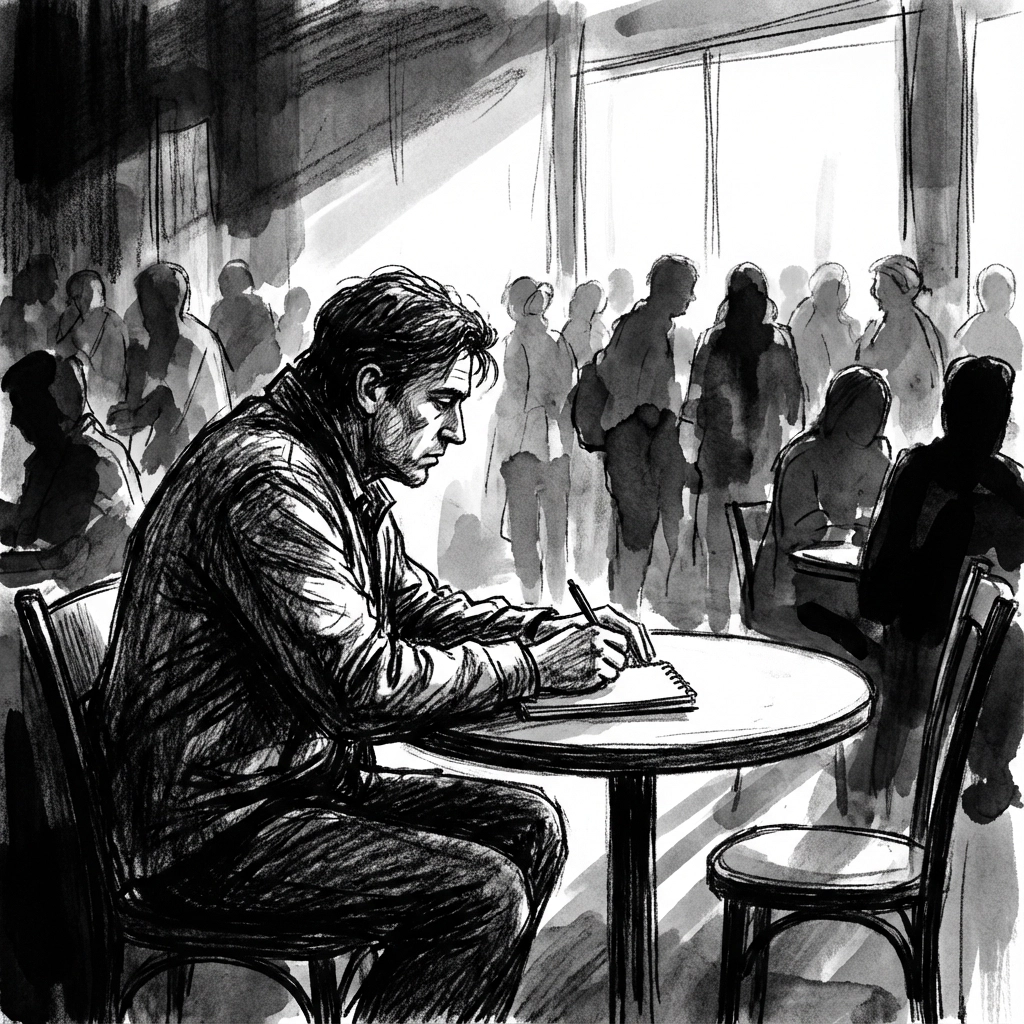
Spend time in public spaces: coffee shops, parks, train stations: and write about what you see and hear. But don't just describe what's happening; imagine the stories behind the moments.
Write about the couple having an intense whispered conversation in the corner booth. What are they discussing? Is it a breakup, a secret, or plans for their future? Create their backstory, their emotions, their hopes and fears.
This technique helps you step outside your own experience and develop empathy for different perspectives. It also gives you a treasure trove of characters and situations that can become the foundation for narrative-driven songs.
5. Memory Mining: Dig Into Your Past
Choose a memory that still makes you feel something: it could be beautiful, painful, funny, or bittersweet. Write about it in detail, focusing on sensory experiences. What did you see, hear, smell, taste, or feel?
Don't just write the facts of what happened. Capture the emotional truth of the moment. How did it change you? What did you learn? What would you tell your past self if you could?
Memory-based songs have a special power because they're rooted in real experience while still feeling universal. When you write honestly about your own past, you tap into feelings that many people share.
6. The Gratitude Twist: Find Songs in Appreciation
Each day, pick one thing you're grateful for and write about it: but with a twist. Instead of just listing what you're thankful for, explore the story behind it.
Maybe you're grateful for your morning coffee. Write about the ritual of making it, how it warms your hands, the way it signals the start of a new day. Or perhaps you're grateful for a friend's support during a tough time. Capture the specific moment when you realized how much their friendship meant to you.
Gratitude journaling for songwriting isn't about forcing positivity: it's about finding the deeper stories and emotions within the things that sustain you.
7. The "What If" Game: Explore Imaginary Scenarios
Start with "What if..." and let your imagination run wild. What if you could have one conversation with someone you've lost? What if you woke up in a different life? What if you could travel back to one moment and change everything?
These hypothetical scenarios often reveal real emotions and desires. Writing about imaginary situations gives you permission to explore feelings that might be too scary or complex to address directly.
Don't worry about whether your "what if" scenarios are realistic. The goal is to access the emotions underneath the fantasy and translate them into relatable songs.

8. Dialogue Journaling: Capture Real Conversations
Write down conversations you've had or overheard, but pay attention to the subtext. What wasn't being said? What were people really communicating beneath the words?
Maybe your friend said "I'm fine" but their tone suggested they were anything but fine. Or perhaps you had a conversation with a family member where you both danced around something important without ever addressing it directly.
These conversational dynamics: the things we say versus what we mean: create compelling material for songs. They capture the complexity of human communication and the emotions we struggle to express directly.
9. The Story Fragment Method: Collect Narrative Pieces
Instead of trying to write complete stories, collect fragments: interesting characters, compelling situations, emotional turning points, or intriguing relationships you observe or imagine.
Write a paragraph about an elderly man feeding pigeons every morning. Capture a moment between strangers sharing an umbrella. Describe the feeling of driving past your childhood home. These fragments don't need to be connected or complete: they're raw material for future songs.
Later, you can combine fragments, expand on them, or use them as jumping-off points for larger narratives. This approach takes the pressure off creating perfect stories and helps you build a library of inspiring moments.
10. The Weekly Review: Mine Your Entries for Gold
At the end of each week, read through your journal entries with fresh eyes and a highlighter. Look for:
Phrases that sound like potential song titles
Emotional moments that still give you chills
Images or metaphors that feel powerful
Themes that keep appearing in different entries
Circle anything that sparks your interest, even if you're not sure why. Sometimes the best song ideas come from unexpected connections between different entries or from tiny details you barely noticed when you first wrote them.
This reviewing process transforms random journaling into intentional songwriting material. You're not just writing for the sake of writing: you're actively collecting the raw materials for your next song.
Making It Stick: Your Journaling Practice
The key to turning journaling into songwriting success is consistency without pressure. You don't need to write pages every day or create perfect entries. Even five minutes of honest writing can yield powerful material.
Choose a time that works for you: maybe it's with your morning coffee, during your lunch break, or before bed. Keep your journal somewhere accessible, whether that's a physical notebook, your phone, or a computer document.
Remember, your journal is completely private unless you choose to share it. This freedom means you can write without self-censorship, explore uncomfortable emotions, and capture thoughts you might never say out loud. The more honest and raw your entries, the more authentic your songs will become.
Your voice matters, and your experiences: even the ordinary ones: contain the seeds of extraordinary songs. Start with these techniques, be patient with yourself, and trust that the words will come. Sometimes the best way to find your voice is simply to start writing and see what emerges on the page.
Ready to turn your journaling practice into your next song? Learn more about transforming your written words into music with Songwriting for Non-Songwriters.

Comments