


Can Music Really Help Your Mental Health? 7 Ways Songwriting Transforms Self-Expression (Even for Complete Beginners)
If you've ever felt like you can't quite put your emotions into words, you're not alone. Sometimes the feelings swirling around inside us are too complex, too raw, or too overwhelming to express through regular conversation. That's where music: specifically songwriting: comes in as a powerful tool for mental wellness.
The short answer to whether music can really help your mental health? Absolutely. Science backs this up in a big way. When you engage with music, your brain releases dopamine (that feel-good chemical) while simultaneously reducing cortisol, your body's main stress hormone. But here's what makes songwriting even more special: you don't need to be the next Taylor Swift or Bob Dylan to experience these incredible benefits.
Let's dive into the seven transformative ways songwriting can revolutionize how you express yourself and support your mental health journey.
1. Breaking Through When Words Fail You
Have you ever tried to explain how you're feeling to a friend or therapist, only to find yourself stumbling over words that just don't capture the full picture? This is where songwriting becomes your secret weapon.
Music bypasses the limitations of everyday language. When you're writing a song: even if it's just humming a melody or scribbling down fragmented lyrics: you're accessing a different part of your brain that doesn't rely on perfect articulation. The rhythm, melody, and even the pauses between words can carry emotional weight that spoken language simply can't match.

Think about it: when you hear a song that gives you goosebumps, it's often not just the lyrics doing the heavy lifting. It's the entire musical package working together to communicate something deeper than words alone ever could. You can create that same magic for yourself, even with the simplest of tools.
2. Creating a Safe Space for Emotional Release
One of the most powerful aspects of songwriting is how it creates a judgment-free zone for processing difficult emotions. Unlike venting to a friend (where you might worry about being a burden) or journaling (which can sometimes feel too direct), songwriting offers a creative buffer that makes emotional exploration feel safer.
When you write about heartbreak, anxiety, anger, or grief through song, you're not just dumping these feelings onto paper: you're transforming them into something beautiful. This process of transformation is incredibly healing because it gives meaning to your pain. Suddenly, that crushing sadness becomes the raw material for something creative and potentially helpful to others who might be struggling too.
The repetitive nature of songwriting: working on verses, choruses, bridges: also provides a meditative quality that helps your nervous system calm down while you process whatever you're working through.
3. Engaging Your Whole Brain for Better Mental Health
Here's something fascinating: when you're writing songs, you're simultaneously activating multiple brain networks responsible for attention, memory, motor control, and creativity. It's like giving your brain a full workout, but one that feels like play rather than work.
This comprehensive brain engagement has some serious mental health benefits. The focus required to craft lyrics and melodies naturally pulls you out of anxious thought spirals or depressive rumination. You become absorbed in the creative process, giving your mind a much-needed break from whatever's been weighing you down.
Plus, this cognitive stimulation strengthens neural pathways associated with emotional regulation, which means you're literally rewiring your brain to handle stress and difficult emotions more effectively over time.
4. Building Emotional Resilience Through Creative Expression
Every time you sit down to write a song, you're practicing emotional regulation in a low-stakes environment. You're learning to sit with difficult feelings, examine them from different angles, and find ways to express them constructively rather than letting them build up inside.
This practice translates directly to your daily life. When challenging situations arise, you'll find yourself better equipped to process them because you've been strengthening your emotional muscles through songwriting. You develop a kind of creative confidence: knowing that whatever you're feeling can be channeled into something meaningful rather than just endured.
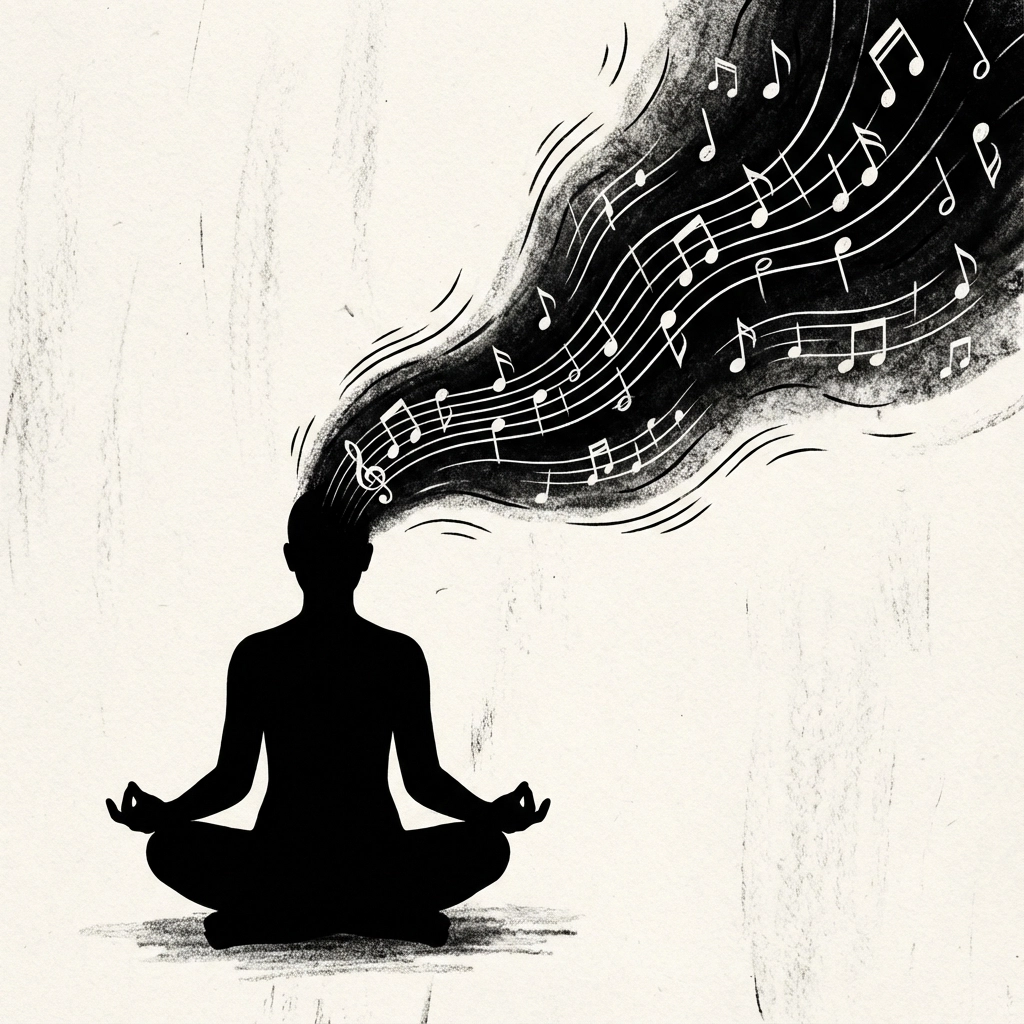
The structure of songwriting itself: verses, choruses, bridges: teaches you that emotions, like songs, have natural rhythms and movements. They build, peak, and resolve. This understanding helps normalize the ups and downs of mental health rather than making you feel like something's wrong when you're not feeling great.
5. Connecting With Others and Combating Isolation
Mental health struggles often come with a heavy dose of isolation. You might feel like no one else understands what you're going through, or you might withdraw from social connections when you're not feeling your best. Songwriting can be a bridge back to meaningful connection.
Whether you're sharing your songs at an open mic night, collaborating with other musicians online, or simply playing your creation for a trusted friend, music creates instant common ground. There's something magical about how a simple chord progression or heartfelt lyric can communicate your inner world to others in a way that regular conversation often can't.
Even if you never share your songs publicly, the act of creating them connects you to the universal human experience of using art to process life's challenges. You become part of a tradition that spans cultures and centuries: people using music to make sense of their world.
6. Reclaiming Your Sense of Identity and Worth
Depression and anxiety have a sneaky way of making you forget who you are beneath all the difficult feelings. Songwriting helps you reconnect with your authentic self by giving you a creative outlet that's uniquely yours.
When you create a song, you're making choices: about melody, rhythm, lyrics, emotional tone: that reflect your personality and perspective. Even if your song is about struggle, the act of creating it is an assertion of your agency and creativity. You're not just passively experiencing difficult emotions; you're actively transforming them into something that didn't exist before.
This creative empowerment builds genuine self-esteem (as opposed to the hollow kind that comes from external validation). You start to see yourself as someone who can take raw life experiences and turn them into art, which is a pretty powerful identity shift.
7. Developing Mindfulness and Present-Moment Awareness
Songwriting naturally cultivates mindfulness because it requires you to pay attention to multiple elements simultaneously: the words, the rhythm, the melody, how they all fit together. This focused attention pulls you into the present moment in a way that's both grounding and energizing.
Unlike formal meditation practices, which some people find challenging, songwriting-based mindfulness feels effortless because you're absorbed in creating something you care about. The repetitive, rhythmic aspects of music also trigger your body's relaxation response, helping reduce anxiety and stress on a physiological level.

Many people find that having a regular songwriting practice: even just 10-15 minutes a few times a week: provides them with a reliable tool for managing stress and staying centered when life gets overwhelming.
Why Beginners Actually Have an Advantage
Here's something that might surprise you: being a complete beginner at songwriting can actually be an advantage when it comes to mental health benefits. Without preconceived notions about what makes a "good" song, you're free to focus purely on emotional expression rather than technical perfection.
Your first song doesn't need to sound like anything you'd hear on the radio. It might be three chords repeated over and over with simple words that capture exactly how you're feeling. That's not just okay: it's perfect. The therapeutic value lies in the process of creation, not the polished end result.
Some of the most emotionally powerful songs ever written are also some of the simplest. Think about folk traditions, where generations of people have used basic musical structures to process everything from personal heartbreak to social change.
Getting Started: Your Mental Health Toolkit
Ready to explore how songwriting might support your mental wellness journey? You don't need expensive equipment or years of training. Start with whatever you have: a smartphone voice recorder, a simple notebook, or even just your voice humming in the shower.
The key is consistency rather than perfection. Set aside small pockets of time to experiment with expressing your feelings through simple melodies or word combinations. Notice how different emotions might call for different rhythms or musical approaches.
Remember, you're not trying to write the next hit song. You're developing a powerful tool for emotional expression and mental health support that's available to you anytime, anywhere.
If you're curious about developing your songwriting skills further while maintaining this therapeutic approach, exploring structured songwriting guidance can help you deepen your practice while keeping the focus on authentic self-expression rather than commercial appeal.
Your mental health journey is unique, and songwriting might just be the creative companion you never knew you needed.

Comments